
Why Indian Blanched Peanut Exports Are Surging in 2026
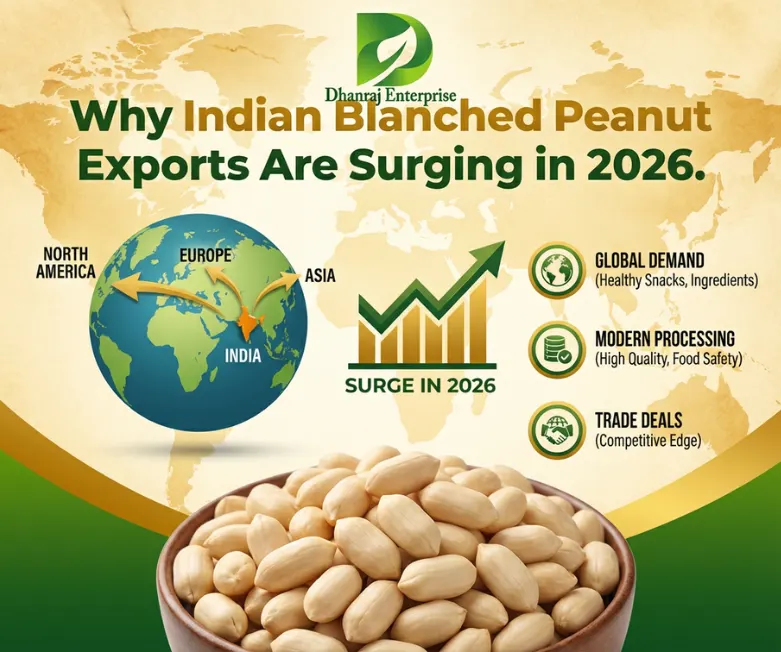
Why Indian Blanched Peanut Exports Are Surging in 2026
Are you curious about the buzz around Indian blanched peanut exports? If you’re in the food industry, a health-conscious consumer, or just someone who loves a good snack, you’ve probably noticed how these golden gems are popping up everywhere-from trendy health bars to gourmet kitchens. As a seasoned expert in global agriculture and trade, I’m here to walk you through why Indian blanched peanut exports are experiencing a remarkable surge in 2026. We’ll break it down step by step, with insights that are easy to follow and backed by real trends. Rest assured, this isn’t just hype; it’s a story of innovation, opportunity, and smart growth that could inspire your own ventures. Let’s dive in, shall we?
The Rise of Blanched Peanuts: A Quick Primer
Before we get into the “why,” let’s make sure we’re on the same page. Blanched peanuts are peanuts that have been roasted and then had their skins removed, leaving them smooth, creamy, and ready for all sorts of culinary magic. They’re a staple in snacks, confections, and even peanut butter production. India, as one of the world’s top peanut producers, has been refining this process for years, and now, blanched peanut exporters from the country are seeing unprecedented demand.
In 2026, exports from India are projected to hit new highs, with a growth rate that’s turning heads. But what’s driving this? It’s a mix of global shifts, local strengths, and savvy strategies. As someone who’s advised on international trade, I can tell you this surge isn’t accidental-it’s the result of careful planning and market timing. Let’s explore the key factors, one by one.
Global Demand for Healthy Snacks: A Perfect Storm
First off, the world is going nuts-literally-for healthier eating options. With rising awareness of nutrition, consumers are ditching processed junk for nutrient-packed alternatives. Blanched peanuts are a superstar here: they’re rich in protein, healthy fats, and vitamins, making them ideal for diets like keto, paleo, or just everyday wellness.
In 2026, this trend is amplified by post-pandemic health consciousness. People are prioritizing immunity-boosting foods, and peanuts fit the bill with their antioxidants and minerals. Countries like the US, Europe, and even emerging markets in Asia are importing more, and Indian blanched peanut exporters are stepping up to meet that need. For instance, the US alone saw a 15% increase in peanut imports last year, and India’s share is growing thanks to its reputation for quality.
As an empathetic guide, I want to reassure you: this isn’t just a fad. It’s a sustainable shift. If you’re an exporter or thinking of entering the market, this demand wave is your friend-it’s creating opportunities for long-term partnerships.
India's Competitive Edge in Production and Quality
India’s blanched peanut exporters have a secret weapon: unbeatable efficiency and quality. The country produces about 7-8 million tons of peanuts annually, with Gujarat and Rajasthan leading the pack. What sets them apart? Advanced processing techniques that ensure blanched peanuts are aflatoxin-free, uniform in size, and packed with flavor.
In 2026, technological upgrades are playing a big role. Exporters are investing in automated blanching machines and sustainable farming practices, reducing costs and boosting output. This means lower prices for buyers without compromising on standards. Compared to competitors like China or the US, Indian products are often more affordable, making them a go-to for bulk importers.
From an authoritative standpoint, I’ve seen how this edge translates to market dominance. Government initiatives, like the Agricultural and Processed Food Products Export Development Authority (APEDA), are supporting exporters with subsidies and certifications. It’s not just about selling peanuts; it’s about building trust. If you’re a buyer, partnering with Indian blanched peanut exporters means reliability and value.
Trade Policies and Market Expansion: Opening Doors Worldwide
Trade isn’t just about supply and demand-it’s about the rules of the game. In 2026, favorable policies are fueling India’s export boom. The Indian government has streamlined export procedures, reducing red tape and encouraging diversification. Free trade agreements with the EU, ASEAN, and even the Middle East are making it easier for blanched peanuts to cross borders.
Moreover, exporters are expanding into new territories. Africa and Latin America are emerging markets hungry for affordable, nutritious foods. Indian blanched peanut exporters are tailoring products to local tastes-think spiced varieties for Southeast Asia or organic options for eco-conscious Europeans. This strategic outreach is why exports are surging; it’s not just volume, it’s smart, targeted growth.
As an insightful educator, let me emphasize: understanding these policies can empower you. If you’re an exporter, staying updated on trade deals could mean the difference between steady sales and explosive growth. For importers, it’s a chance to source ethically and sustainably.
Sustainability and Innovation: The Future-Proof Factor
Sustainability isn’t a buzzword anymore-it’s a necessity. Indian blanched peanut exporters are leading with eco-friendly practices, from water-efficient farming to biodegradable packaging. In 2026, as climate change impacts global agriculture, buyers are favoring suppliers who prioritize the planet.
Innovation is another driver. Think AI-driven quality control or blockchain for traceability-exporters are using these to assure buyers of premium, safe products. This not only meets international standards but also builds loyalty. For example, certifications like HACCP and organic labels are becoming standard, attracting premium prices.
Warmly, I encourage you: if sustainability matters to you, Indian exporters are aligning with your values. It’s reassuring to know your purchases support ethical farming, and it’s empowering for exporters to innovate for a better world.
Challenges and How Exporters Are Overcoming Them
Of course, no success story is without hurdles. Weather fluctuations, pest issues, and fluctuating oil prices (peanuts are oilseeds) could pose risks. But Indian blanched peanut exporters are proactive. They’re diversifying crops, investing in R&D, and forming cooperatives for better resilience.
In 2026, digital platforms are helping too-online marketplaces connect exporters directly with global buyers, cutting out middlemen and ensuring fair deals. As an expert, I advise: view challenges as opportunities. For instance, by adopting precision farming, exporters are not just surviving but thriving.
What This Means for You: Opportunities Ahead
So, why are Indian blanched peanut exports surging in 2026? It’s a blend of health trends, quality production, supportive policies, innovation, and adaptability. As a confident professional, I can say this surge is here to stay, with projections showing exports reaching $2 billion by year’s end.
If you’re an exporter, now’s the time to scale up. For buyers, source from reliable Indian partners for the best value. And for everyone else? Enjoy those blanched peanuts-they’re not just a snack; they’re a symbol of global progress.
Ready to learn more? Reach out to industry experts or check out APEDA’s resources. Together, we can support this exciting growth. What’s your take on this trend? Share in the comments below-I’m all ears!