
Where Can I Buy Raw Peanuts in Bulk in India: Ultimate Wholesale Guide for Savings
Where Can I Buy Raw Peanuts in Bulk in India: Ultimate Wholesale Guide for Savings
Peanuts start strong in Indian kitchens. Not just a crunchy bite, but the backbone of chutneys, oils, and even desserts. These tiny powerhouses pack protein, good fats, plus resveratrol – a quiet antioxidant win. Across homes and markets, demand climbs fast. Buyers hunting large quantities ask one thing: where to get raw peanuts cheaply? Searches spike for suppliers offering ₹40 to ₹80 per kilo. Wholesale pricing beats store prices every time. Most action flows through Gujarat. That’s ground zero for peanut farming. In cities like Ahmedabad, farms ship top grades directly – think bold types, rich Java nuts. Delivery lands at the doors without middlemen, slowing things down.
Picture this: fields piled high, trucks rolling out daily. A plan unfolds quietly – ways to find deals, skip waste, compare hauls without overspending. Numbers shift fast; knowing when matters more than rushing. Think slow, move sharp.
Raw Peanuts 101: Why Buying in Bulk Makes Sense
Beyond their shells or stripped bare, raw peanuts take many forms after drying by machine. Roasted crisp, they become namkeens. When crushed fine, peanut butter emerges. Larger ones – bold types, counting 38 to 42 per ounce – work best for oil extraction. Smaller Java nuts, packed 80 to 90 per ounce, perform well in snack foods. From Gujarat come two out of every five harvested pods across India. These local crops grow without genetic tweaks.
Imagine cutting your food costs fast. Big bags bring prices way down. Store price hits one fifty per kilo. Yet buy a full ton, wholesale drops to sixty to a hundred each kilo. Each small pack of 100 grams holds twenty-five grams of protein. Fat clocks in at forty-nine grams – the kind that plays nice with your heart. Fibre keeps things moving smoothly inside. Run the numbers once. Half a hundred kilos at seventy rupees makes three thousand five hundred. The same amount of retail would drain seven thousand five hundred. That gap leaves four grand saved, just like that.
Wondered about shelled versus in-shell? One cuts down on prep time. The other holds up better over weeks.
Varieties Demystified
Snacks made from Java peanuts cost between eighty and one hundred ten rupees per kilogram – those tiny ones pack a crisp bite. Oil lovers lean toward bold types; heavier yields fetch seventy to one forty, depending on demand. Down in Gujarat, TJ strains bring heat to overseas orders. When grown without synthetics, prices climb by twenty to thirty bucks more per batch.
Prime Hotspots: Physical Mandis and Wholesalers
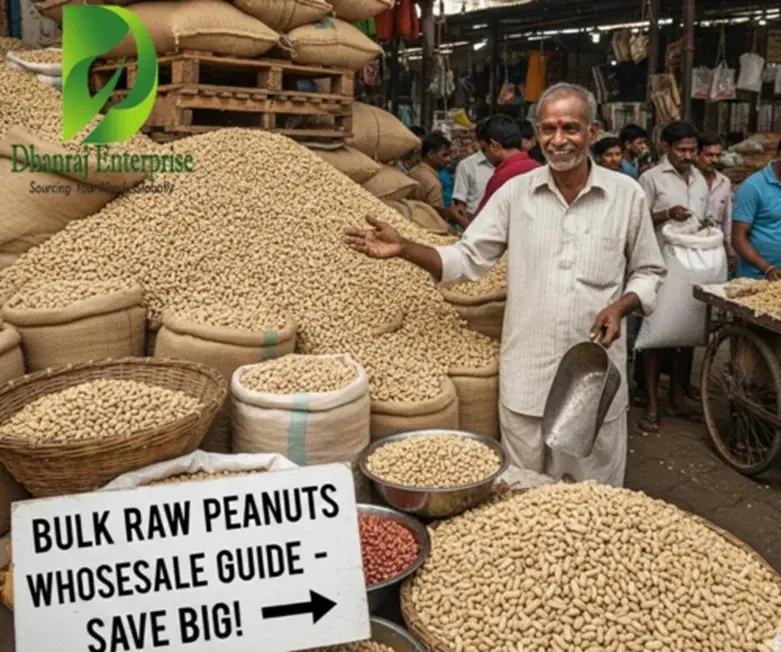
Every day, Unjha Mandi in Gujarat moves around ten thousand metric tons of peanuts. This place holds the title of the biggest peanut market on Earth. Prices shift between sixty and ninety rupees per kilo right now. The trip from Ahmedabad takes about two hours by road. Buyers who want more than a hundred kilograms should expect to negotiate hard. Nearby, Rajkot runs its own APMC yard with mixed trading styles. Junagadh does something similar, mixing open bidding with face-to-face trades straight from growers.
Fresh peanut traders crowd Ahmedabad’s Navrangpura – prices hover between sixty-seven and eighty rupees per kilo for fifty-kilo bags, says Justdial. Over in Makarba, Eco Export moves batches that pass strict checks. From Chennai, Iraivi Herbals ships across India; similarly, Surat’s Bio Infinity sends out stock priced seventy rupees higher in some zones
Timing helps. Head there between October and March. That is when the new crop hits markets. Fresh picks cost less than. Watch for those chances.
Online Platforms Simplify Large Transport Tasks
A single search might reveal how raw peanuts move through Gujarat’s markets. One site shows more than a thousand sellers offering large amounts for sale. Look up “raw peanuts bulk Gujarat” to find options starting at one quintal. Prices shift between eighty-five and one hundred twenty rupees per kilogram across different vendors. Some charge higher rates, like Oxygrow Agro, listing their cleaned stock from one twenty to one fifty. Others sit lower, such as AR Exporters, who offer sorted nuts between eighty-five and one zero and five.
Fresh from farm gates, QLand Agriworld sends truckloads of unshelled peanuts straight to stores – no middle stops. Over on Alibaba, buyers notice Gujarat processors offering big volumes near $380 a tonne, which works out around ₹65 per kilo. Meanwhile, Hyperpure moves into hotel-kitchen supply, pricing raw nuts at ₹143 each kilogram, testing small batches before full rollout.
Who wins – Flipkart or Amazon? Not quite. A lighter 25kg option hides behind Namo Organics’ name. Yet real volume finds its home on B2B platforms instead.
Price Snapshots Across India
Fresh rates show Gujarat at ₹60 to ₹100 per kg – Eco Export marks ₹67. Pune in Maharashtra sits between ₹60 and ₹100 each kilogram. Tamil Nadu runs higher, from ₹70 up to ₹140 a kg. Across India, suppliers of jute bags quote ₹80 to ₹150 per kg.
Counting Costs That Work
Bought monthly, a hundred kilograms at seventy rupees each hits seven thousand. From Unjha market, add five hundred transport – total cost settles at seven thousand five. Buying retail instead? That jumps to fifteen thousand. Half vanishes when going local. Savings stack up quietly.
A single tonne bought for sixty-five rupees per kilo comes to sixty-five thousand total. After discounts, each kilogram costs just sixty. Roasted and sold at two hundred per kilo, that leaves a margin of one hundred thirty on every unit moved. Accounting for shrinkage, eight hundred kilograms sellable means one lakh four thousand in raw gain.
A single kilogram from IndiaMart costs eighty rupees, making a fifty-kilogram set you back four thousand rupees each month. Buying the same amount through BigBasket means paying one hundred fifty per kilo, totalling seven thousand five hundred. That gap adds up, leaving three thousand five hundred extra in your pocket over twelve months when choosing the lower price for regular supplies.
Imagine prices shifting. A five-ton shipment drops in cost by one-fifth, now at fifty-two rupees per kilo. Think about where it’s kept. Stored right away from heat and moisture – it holds quality for a full year.
How to Find High Quality at Low Prices
Check your machine-graded Sortex-Clean product – it must show absolutely no traces of aflatoxin, since EU rules allow less than two parts per billion. Keeping moisture below seven per cent stops fungal growth before it starts. Push suppliers on minimum order quantities; buying five hundred kilograms might drop the price by a tenth.
Farm to fork? That’s how Gujarat’s suppliers handle it. Traceability matters most here. For exports, APEDA steps in. Then there is FSSAI watching standards closely.
Flying out goods fast – that is what happens at Eco Export’s spot near SG Highway. Loads head off toward Ahmedabad without delay. Across India, shipments of less than 100 kilograms go through DTDC. Cost stays below one thousand rupees.
What could go wrong? Rainy season treks cost 15% more before July. Try a batch: boil some grains – texture holds, taste earthy and clean.
Meals That Burn Excess Bulk
Pour peanuts into the grinder – spices follow. Two hundred grams turn into ten portions when blended just right. The whole batch costs fourteen rupees altogether. Heat builds slowly after each bite.
Start by mixing one kilogram of snacks with the spice blend. Then spread on a tray, bake until crisp. Portion into forty servings after cooling down. Each serving costs five rupees to make. Sell them in sealed bags or eat straight away.
Starts with butter – half a kilo churned in a blender plus some oil. Ten little pots fill up. Spoon by spoon, it costs almost nothing compared to buying a jar for twenty rupees at shops.
Fifty golden treats born from two kilos of peanuts, sweetened with jaggery. Laddoo tradition lives here.
A handful of Fistful – exactly thirty grams – delivers ten grams of protein by midday. That bite-sized portion pulls its weight when hunger strikes early. Protein goals get easier without needing a full meal. Small crunch, solid result.
Tailored for Ahmedabad Hustlers
Right where Navrangpura traders gather, West Gate Business Bay hums with deals struck in person. Freshness travels far when Somnath Agri Impex moves produce from the Gujarat soil. Snack shelves stack high once the chia loads arrive alongside
Here is a hint for 2026: After Diwali, harvests slow down, so secure deals for January early. Watch how timing shifts when festivals pass. Moves made then often settle terms before demand spikes again.
Rise of a Peanut Business
Start hunting raw peanuts in large amounts across Indian markets. Try farm markets in Gujarat – they move serious volume. Online platforms like IndiaMart link to sellers who ship nationwide. Ahmedabad acts as a central spot with steady supply chains. Prices drop when you talk loudly and push deals. Work out the math before locking any quote. Fill storage once, eat for months without stress. Think long term, act quickly.