
Overview of Indonesia’s Desiccated Coconut Export Market in 2026
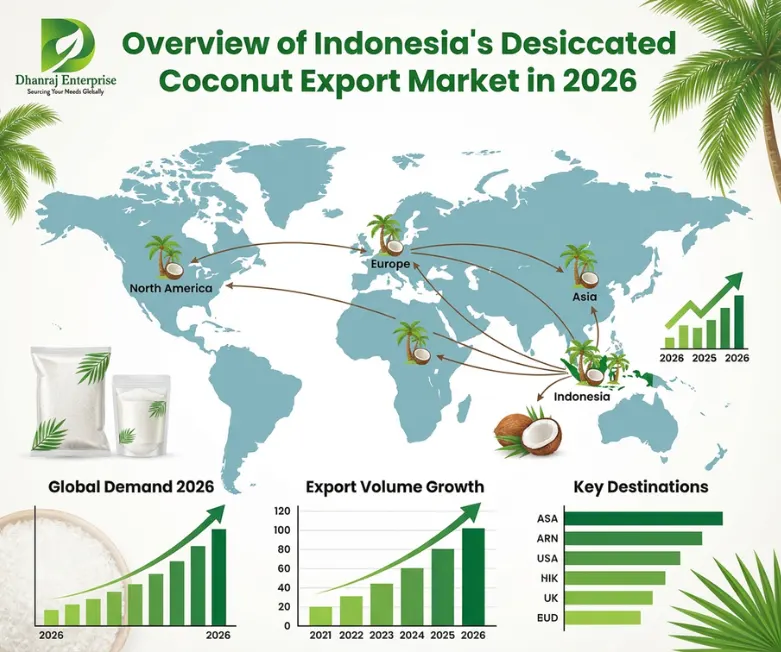
Overview of Indonesia’s Desiccated Coconut Export Market in 2026
Hello, coconut lovers and industry explorers! If you’ve ever whipped up a batch of cookies or smoothies and reached for that bag of desiccated coconut, you know how versatile and delightful it can be. As a seasoned advisor in global agriculture and trade, I’m thrilled to guide you through Indonesia’s desiccated coconut export market in 2026. It’s a reassuring tale of growth and opportunity, backed by solid trends and expert insights. Whether you’re a desiccated coconut manufacturer and exporters in Indonesia, a buyer, or simply curious, this overview will empower you with clear, structured knowledge. Let’s unpack it together in a friendly, easy-to-follow way-think of this as a chat over a fresh coconut drink.
A Quick Look at Indonesia’s Coconut Export Scene
Indonesia is the world’s top coconut producer, churning out millions of tons annually. Desiccated coconut-dried, grated coconut flesh-is a star export, used in everything from confectionery to cosmetics. In 2026, the market is thriving, with desiccated coconut manufacturer and exporters in Indonesia leading the charge. As an authoritative voice, I can confidently say this sector is not just surviving; it’s flourishing, thanks to a blend of tradition and innovation.
Why 2026? It’s a year of rebound and expansion, with exports projected to grow amid global shifts. If you’re involved in this industry, understanding these dynamics can help you make decision-ready choices. Let’s break it down step by step.
Key Trends Shaping the Market in 2026
The desiccated coconut export landscape is dynamic, and 2026 brings exciting changes. One standout trend is the rise of health and wellness products. Consumers are seeking natural, plant-based ingredients, and desiccated coconut fits perfectly-it’s gluten-free, rich in fiber, and a keto favorite. Desiccated coconut manufacturer and exporters in Indonesia are innovating with organic and low-sugar varieties to meet this demand.
Sustainability is another big mover. With eco-consciousness on the rise, buyers prefer products from responsible sources. Indonesian exporters are adopting fair-trade practices and eco-friendly packaging, reassuring buyers that their purchases support ethical farming. From an educational angle, this trend teaches us how global markets reward responsibility.
Digital commerce is also transforming the game. Online platforms allow direct sales, cutting costs and reaching new customers. It’s empowering for small desiccated coconut manufacturer and exporters in Indonesia to compete globally without hefty intermediaries.
Growth Drivers: What’s Fueling the Boom
Indonesia’s desiccated coconut exports aren’t growing by accident-several drivers are at play. Let’s explore them with clear, structured explanations to help you grasp the full picture.
Abundant Production and Quality
Indonesia’s tropical climate and vast plantations ensure a steady supply of high-quality coconuts. Desiccated coconut manufacturer and exporters in Indonesia use advanced drying techniques to produce fine, medium, or coarse grades that meet international standards. This efficiency keeps costs low and quality high, making Indonesian products a go-to for bulk buyers.
Government Support and Policies
The Indonesian government is a supportive ally. Initiatives like the Coconut Industry Development Program provide subsidies, training, and export incentives. In 2026, streamlined regulations and trade agreements are easing access to global markets, boosting confidence for exporters.
Rising Global Demand
Health trends and culinary diversity are driving imports. Desiccated coconut is essential in baking, snacks, and even pharmaceuticals. Emerging markets in Asia and the Middle East are ramping up consumption, while traditional buyers like the US and Europe seek sustainable sources. Desiccated coconut manufacturer and exporters in Indonesia are customizing products-think flavored or fortified options-to capture this.
Technological Innovations
From automated processing to blockchain traceability, tech is enhancing productivity and trust. This not only reduces waste but also assures buyers of authenticity, positioning Indonesian exporters as leaders.
These drivers work synergistically, creating a resilient market. If you’re an exporter, leveraging them can lead to rewarding outcomes.
Key Destinations: Where Indonesia’s Desiccated Coconut Goes
Indonesia’s desiccated coconut manufacturer and exporters in Indonesia ship to a wide range of countries, each offering unique opportunities. Here’s an insightful breakdown:
Europe: Premium and Sustainable Focus
Countries like Germany, the Netherlands, and the UK import for confectionery and health foods. In 2026, demand for organic desiccated coconut is surging, with fair-trade labels fetching higher prices. It’s reassuring for exporters-European standards align with Indonesia’s strengths.
The United States: The Largest Market
The US accounts for a significant share, using desiccated coconut in snacks and baking. Health-conscious consumers drive growth, and direct shipping routes make it efficient. Desiccated coconut manufacturer and exporters in Indonesia are targeting online retailers for broader reach.
Asia-Pacific: Regional and Emerging Growth
Neighbors like Malaysia, Singapore, and Australia import for local industries. In China and India, rising middle classes are boosting demand for processed foods. Exporters are tailoring to regional tastes, like savory blends for Southeast Asia.
Middle East and Other Regions
The UAE and Saudi Arabia see use in hospitality and retail. Africa and Latin America offer emerging potential, with affordable, nutritious options appealing to growing populations.
As an expert, I advise studying these destinations’ regulations for smoother exports. Diversification is key to stability.
Challenges and Strategies to Overcome Them
Like any market, Indonesia’s desiccated coconut exports face hurdles. Competition from the Philippines and Sri Lanka, fluctuating coconut prices, and climate impacts are common. But desiccated coconut manufacturer and exporters in Indonesia are resilient.
Strategies include forming cooperatives for better pricing, investing in R&D for drought-resistant varieties, and using data analytics for forecasting. It’s empathetic to note that with community support and innovation, these challenges become stepping stones. If you’re navigating this, remember: many exporters have turned obstacles into advantages.
What This Means for You: Embrace the Potential
Indonesia’s desiccated coconut export market in 2026 is a vibrant opportunity, driven by trends, drivers, and strategic destinations. As a desiccated coconut manufacturer and exporters in Indonesia, you can thrive by focusing on quality, sustainability, and global outreach. For buyers, sourcing from Indonesia means reliable, value-packed products. For all of us, it’s a reminder of how trade can foster growth and connection.
Curious for more? Check out resources from the Indonesian Coconut Association or connect with trade experts. What’s your favorite way to use desiccated coconut? Share below-I’m eager to hear!