
Why India is a Top Source for Raw Peanut in Shell Exports Worldwide
Why India is a Top Source for Raw Peanut in Shell Exports Worldwide
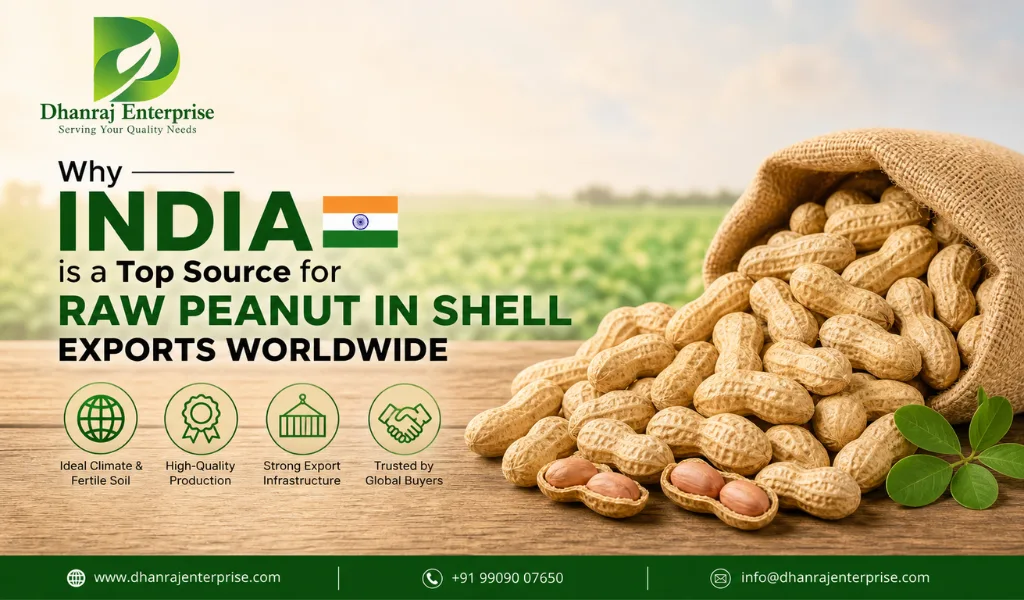
Walk through any major peanut processing facility in Rotterdam, Jakarta, or Ho Chi Minh City, and there’s a fair chance the sacks stacked near the loading dock came from a small farming district in Gujarat or Andhra Pradesh. That’s not a coincidence. Year after year, buyers across Asia, Europe, and the Middle East keep coming back to the same source, and the reasons go far beyond price.
This piece looks at what actually makes raw peanut in shell Indian origin so dependable for international trade, and why so many global buyers continue working with peanut exporters from India even when cheaper-looking options exist elsewhere.
A Climate That Was Made for Groundnut Farming
Peanuts need warm soil, moderate rainfall during the growing months, and a dry stretch right before harvest. Several Indian states tick every one of those boxes without much effort.
Gujarat, Rajasthan, Andhra Pradesh, and parts of Tamil Nadu offer exactly this kind of weather pattern across two growing seasons each year. That means the supply pipeline doesn’t dry up for months at a time the way it does in some single-season producing countries.
Farmers in these belts have grown groundnuts for generations, often on the same plots their grandparents worked. That kind of generational knowledge shows up in how the crop is sown, watered, and timed for harvest, well before it ever reaches a buyer’s inquiry form.
Scale That Smaller Producing Nations Simply Can't Match
India sits among the largest groundnut producers in the world, and a meaningful share of that output is grown specifically for export-grade in-shell peanuts rather than domestic oil pressing.
This scale matters in practical terms. A buyer placing an order for several container loads doesn’t need to worry about a single farm or village running short midway through fulfillment. Supply gets pooled from multiple regions, graded, and consolidated before it ever reaches the port.
Multiple Sourcing Regions Reduce Risk
Because production spreads across several states with different rainfall patterns, a poor monsoon in one belt rarely affects the entire national crop. Exporters can shift sourcing toward whichever region had a stronger season that year.
This regional spread is something buyers from countries with concentrated, single-region production simply don’t get. One bad season there can mean a tight market for everyone downstream.
Two Harvest Windows Mean Year-Round Availability
Most Indian peanut-growing regions run a kharif (monsoon) crop and a rabi (winter/summer) crop. That gives exporters two separate harvest cycles to draw from, smoothing out the gaps that single-harvest countries struggle with.
For a buyer trying to keep a roasting line or a confectionery plant running without interruption, that kind of staggered availability removes a lot of guesswork from procurement planning.
Grading, Sorting, and Quality Control That Meets Export Standards
Raw peanuts coming out of Indian processing units aren’t just bagged straight from the field. Before export, they go through cleaning, size grading, moisture testing, and visual sorting to remove discolored, broken, or immature pods.
Buyers typically specify counts per kilogram, shell-to-kernel ratio, and moisture percentage, and reputable suppliers calibrate their grading lines to hit those numbers consistently shipment after shipment. This is the difference between a one-off purchase and a long-term supply relationship.
Moisture Control and Aflatoxin Management
One of the biggest concerns with any in-shell peanut shipment is moisture content, since damp shells create the perfect environment for mold growth and aflatoxin contamination.
Established facilities dry the crop to the moisture levels required by importing countries and run aflatoxin testing before loading. This single step, when done properly, protects both the buyer’s reputation and the long-term viability of the trade route itself.
Pest Control and Fumigation Before Shipment
Export-ready peanuts also go through fumigation to meet phytosanitary requirements at destination ports. Skipping this step, or doing it poorly, leads to rejected containers and costly delays, something experienced suppliers actively avoid by building it into their standard process rather than treating it as an afterthought.
Cost Advantages That Hold Up Over Time
Labor costs for sorting, grading, and packing remain comparatively lower in India than in many competing origin countries, and that cost structure feeds directly into the final price quoted to overseas buyers.
This doesn’t mean Indian peanuts are simply “cheap.” It means the price-to-quality ratio tends to stay competitive even when global commodity prices fluctuate, which is exactly what procurement teams want when they’re forecasting budgets a year out.
Currency and Trade Agreement Benefits
Depending on the destination market, certain trade arrangements and duty structures work in favor of Indian agricultural exports, occasionally giving buyers a small edge on landed cost compared to sourcing from countries without similar agreements.
Currency fluctuations also play a role here. When the rupee weakens against major currencies like the US dollar or euro, Indian export prices often become even more attractive to overseas buyers, sometimes shifting order volumes almost overnight.
A Trade Network Built on Decades of Relationships
Some of the agricultural trading houses operating out of port cities like Rajkot, Mumbai, and Chennai have been in the peanut business for thirty, forty, sometimes fifty years. That kind of history builds something that’s hard to replicate quickly: trust with shipping lines, container availability during peak season, and relationships with farmers who set aside their best lots for known buyers.
A peanut exporter in India with that kind of track record isn’t starting from scratch on documentation, certifications, or customs procedures either. Phytosanitary certificates, fumigation records, and country-specific compliance paperwork move faster when a company has done this thousands of times before.
Direct Farm Linkages Improve Traceability
Many exporters now work directly with farmer groups rather than relying purely on open-market purchases. This gives buyers better traceability back to specific growing regions, which matters increasingly for companies that need to document their supply chain for sustainability or food safety audits.
Responsiveness Matters in a Fast-Moving Market
Peanut prices can shift within days based on weather reports, export policy changes, or demand spikes in major importing countries. Exporters who’ve been in the trade long enough know how to communicate these shifts to buyers quickly, rather than leaving them to find out through a price increase on the next invoice.
What This Means for Buyers Evaluating Suppliers
None of this means every supplier in India delivers the same quality. The difference between a strong shipment and a problematic one often comes down to how seriously a particular exporter treats grading, moisture testing, and documentation.
Buyers sourcing raw peanut in shell Indian origin for the first time tend to get better results by asking for sample shipments, checking aflatoxin test reports from accredited labs, and confirming packaging specifications (jute bags, PP bags, container loading method) before committing to a full order.
Long-term success in this trade usually comes down to finding peanut exporters from India who treat quality consistency as the core of their business rather than a box to check before shipping.
Where to Go From Here
India’s combination of growing regions, harvest cycles, grading infrastructure, and decades-old trading relationships gives it a structural advantage that’s difficult for newer producing countries to replicate quickly. For buyers, the real work isn’t deciding whether India is a viable source. It’s choosing the right partner within that source.
Reaching out directly to an established supplier, requesting current grading sheets, and asking about sample availability is usually the fastest way to find out whether a particular exporter’s standards match what’s needed for a specific market.