
Why Indonesia Leads the Global Desiccated Coconut Export Market in 2026
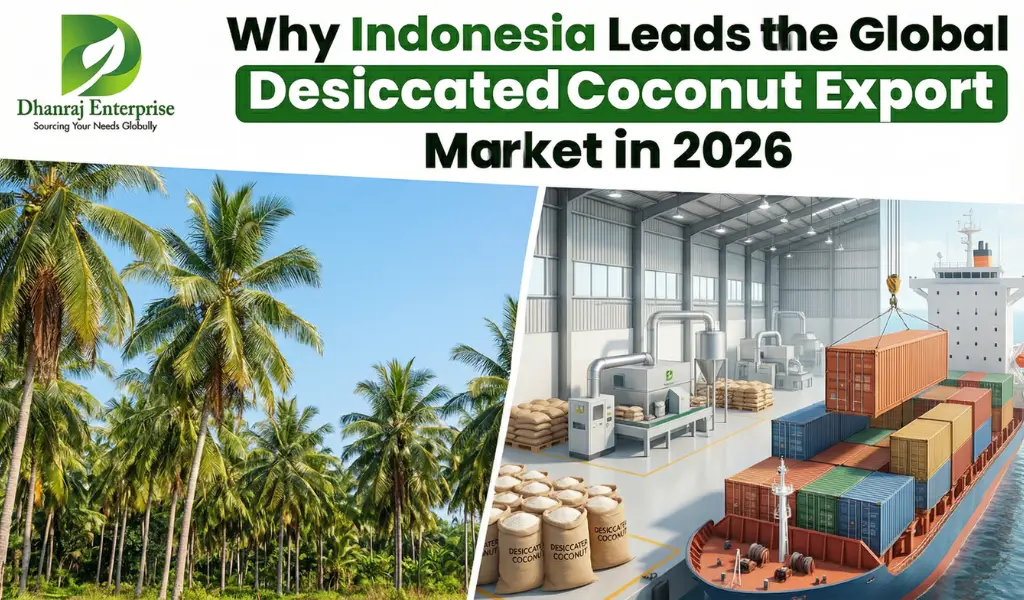
Why Indonesia Leads the Global Desiccated Coconut Export Market in 2026
Hey there, friend-I’ve got you covered with even more depth on this topic, expanding every angle to give you the full picture without any tables, just smooth, flowing insights. Sourcing from top desiccated coconut manufacturer and exporters in Indonesia can transform your supply chain, and understanding why they dominate in 2026 will make your decisions feel rock-solid and reassuring. We’ll weave in context on desiccated coconut manufacturer and exporters in Sri Lanka too, so you see the complete landscape. Let’s dive deeper, step by confident step, empowering you with knowledge that feels like a warm handshake from an expert guide.
The Rising Star of Desiccated Coconut Worldwide
Desiccated coconut isn’t just a simple ingredient-it’s the shredded, dried heart of the coconut palm, transformed into a versatile powerhouse for everything from decadent macaroons and energy bars to creamy curries and natural cosmetics. With its naturally sweet flavor, high healthy fat content (often 60-65%), and long shelf life thanks to low moisture levels around 3%, it’s exploding in popularity amid the global shift toward plant-based, clean-label foods. The market’s value soars past $1.5 billion in 2026, fueled by a compound annual growth rate hovering near 10%, as health-conscious consumers and innovative food brands snap it up.
Indonesia’s leadership here is no accident-it’s the result of decades of smart agriculture, massive scale, and unwavering commitment to quality. As the world’s top coconut producer, harvesting millions of tons annually from vast plantations, they command over 60% of global desiccated exports. This reliability means when you partner with desiccated coconut manufacturer and exporters in Indonesia, you’re tapping into a supply that’s steady, affordable, and compliant with the strictest international standards-think FDA, EU regulations, HALAL, and Kosher. It’s a breath of fresh air in an industry prone to shortages.
A Quick Primer on Grades and Uses
To make this educational, let’s break down the types: fine desiccated coconut powders effortlessly into smooth fillings for chocolates; medium shreds add texture to granola and cookies; coarse flakes shine as tropical toppings on yogurt or salads. High-fat versions retain that rich oil content for superior mouthfeel, while low-fat options cater to health trends. Pro buyers always prioritize moisture control and microbial testing-Indonesian producers nail this, ensuring your products stay fresh for 18-24 months.
Unpacking Indonesia's Production Dominance
Indonesia’s tropical paradise-spanning Sumatra, Java, Sulawesi, and beyond-hosts over 3 million hectares of coconut groves, yielding 18-20 million tons of fresh coconuts each year. This sheer volume is the foundation of their export supremacy, allowing factories to process desiccated coconut at scales competitors dream of: think 1-1.5 million metric tons exported annually in 2026 alone. Government-backed initiatives, like the National Coconut Development Program, pour resources into hybrid varieties that produce 25-30% more meat per nut, while modern drying tech-fluidized beds and solar dehydrators-slashes energy costs and boosts efficiency.
What feels truly supportive? These advancements keep prices stable at $1.80-$2.50 per kg FOB, even as global demand spikes. Weather challenges? Diversified regions and crop insurance mitigate risks, so your shipments arrive on schedule. This scale reassures everyone from small bakeries to multinational confectioners that desiccated coconut manufacturer and exporters in Indonesia are partners you can count on, year after year.
Quality Excellence That Sets Indonesia Apart
Quality isn’t just a buzzword here-it’s a promise delivered through state-of-the-art facilities in hubs like Manado and Medan. Indonesian desiccated coconut boasts aflatoxin levels under 4 ppb, SO2-free processing, and fat contents precisely calibrated to specs. Certifications abound: ISO 22000 for food safety, BRC Global Standards for retail readiness, and RSPO for sustainable palm practices. Factories run 24/7 with automated grating, washing, and drying lines, minimizing human error and contamination.
Innovation adds another layer-blockchain traceability lets you scan a QR code and follow your batch from farm to fork. This transparency builds trust, especially for brands facing scrutiny on ethical sourcing. Empathetically, if past suppliers let you down with inconsistencies, Indonesia’s rigor will restore your confidence, making every order a win.
Logistics Mastery for Seamless Global Reach
Positioned in the bustling Asia-Pacific trade lanes, Indonesia’s ports like Belawan, Makassar, and Surabaya offer unbeatable connectivity. Container ships zip to China (their biggest buyer, importing hundreds of thousands of tons), the EU (premium markets loving high-fat grades), the US, and the Middle East in record time. In 2026, upgraded cold-chain infrastructure and digital customs clearance cut transit times by 15-20%, with spoilage rates near zero.
For buyers, this means predictable lead times-typically 20-30 days to major ports-and flexible terms like FOB or CIF. It’s a logistical dream that supports your operations without the headaches.
Sri Lanka's Valuable Role in the Mix
Shifting focus warmly to desiccated coconut manufacturer and exporters in Sri Lanka, they’re a cherished player with a production edge from their ideal equatorial climate and tall hybrid palms. Exporting around 150,000-200,000 metric tons yearly, they specialize in aromatic, fine powders perfect for luxury sweets and organic lines, often commanding a slight premium due to their nutty depth. Sri Lanka’s strength lies in value-added processing and niche certifications like EU Organic, appealing to eco-focused brands.
That said, their smaller scale-about 400,000 hectares of palms-means they’re more vulnerable to droughts or aging trees, occasionally leading to output dips. In 2026, while they hit record earnings from specialty grades, Indonesia’s volume leadership keeps them in the number-two spot for many bulk needs. Think of Sri Lanka as your Flavor specialist, complementing Indonesia’s powerhouse reliability-a smart duo for diversified sourcing.
Spotlight on Premier Indonesian Exporters
Let’s get practical with standout desiccated coconut manufacturer and exporters in Indonesia thriving in 2026. These aren’t random picks-they’re vetted leaders with proven track records:
Start with CV. Indo Pacific Coconut in North Sulawesi, churning out 12,000+ MT yearly across fine, medium, and coarse grades, shipping to 50+ countries with impeccable on-time delivery. Their seven factories ensure redundancy, so you’re never left waiting.
Then there’s PT. Global Coconut, excelling in high-fat varieties for bakery giants, backed by HALAL and HACCP certs, and offering custom moisture tweaks down to 2.5%. Their sustainability story-recycling shells into eco-charcoal-resonates with green buyers.
Don’t overlook PT. Slumber Tani in Lampung, masters of low-fat and coarse shreds for snacks, with blockchain apps for total visibility and competitive MOQs starting at 20 MT. These pros provide free samples, volume discounts (up to 10% for 100+ MT), and responsive teams ready for your RFQ.
For Sri Lanka counterparts, exporters like Ceylon Coconut Processors deliver that signature taste, ideal if Flavor trumps sheer volume.
2026 Market Trends and Smart Strategies
The desiccated coconut surge ties into broader shifts: vegan baking booms, keto diets crave MCT-rich fats, and cosmetics tap its exfoliating magic. Asia-Pacific grabs nearly 40% of demand, with China and India leading imports. Sustainability rules-70% of buyers now seek RSPO or organic labels-while packaging innovations like nitrogen-flushed bags extend shelf life further.
Challenges? Volatile raw coconut prices from El Niño effects are real, but Indonesian exporters hedge smartly. Educational tip: Pair high-volume Indonesian buys with Sri Lankan specialties for balanced portfolios. Watch for downstream growth-turning shells into activated carbon adds revenue streams.
Your Step-by-Step Guide to Confident Sourcing
Feeling ready? Here’s an expanded roadmap:
- Clarify Specs: Nail down grade, fat level, and packaging (25kg bags or 1MT totes?).
- Vet Credentials: Demand third-party lab tests and site audits.
- Sample and Test: Order 5-10kg trials; check rehydration, aroma, and stability.
- Lock in Deals: Haggle FOB rates, payment via LC, and clauses for force majeure.
- Foster Ties: Annual visits or virtual audits build lasting partnerships.
- Scale Up: Start small, then leverage loyalty perks like priority slots.
This approach minimizes risks and maximizes value.
Beyond Basics: Health, Recipes, and Future-Proofing
Insightfully, desiccated coconut packs fibre for gut health, medium-chain triglycerides for quick energy, and minerals like manganese. Whip up no-bake balls (coconut + dates + nuts) or curry toppers-simple wins for your products.
Looking ahead, 2027 promises more automation and AI-driven yields, solidifying Indonesia’s lead. Diversify wisely, stay certified, and you’ll thrive.
You’re now equipped with insider knowledge that feels supportive and decisive. Indonesia’s 2026 dominance is your opportunity-reach out for supplier contacts or tailored advice. What’s your biggest sourcing question next?