
Powering Global Nutrition: A Look at the Soybean Meal Manufacturing Industry
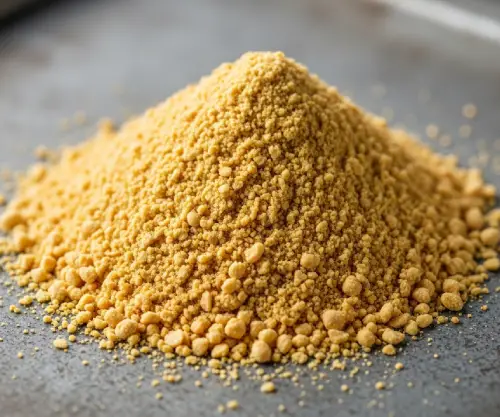
Powering Global Nutrition: A Look at the Soybean Meal Manufacturing Industry
Soybean meal is a cornerstone of the global feed and agricultural industries, a powerhouse of protein and essential nutrients that fuel a significant portion of the world’s livestock and poultry. As a key byproduct of soybean oil extraction, soybean meal plays a vital role in food production, making its manufacturers and the process behind it a crucial part of our modern food system.
What is Soybean Meal and Why is it so Important?
Soybeans are a truly remarkable crop. They are rich in both oil (about 18-20% by dry weight) and protein (35-40%). The process of making soybean meal is inextricably linked to the production of soybean oil. The soybeans are first cleaned, cracked, and dehulled. The oil is then extracted, most commonly using a solvent extraction method with hexane. The remaining solid flakes are then processed to remove the solvent, dried, and ground into the final product we know as Soybean Meal.
The importance of soybean meal lies in its high protein content and balanced amino acid profile. It is a highly digestible and palatable source of protein, particularly rich in lysine, which is often a limiting amino acid in cereal grains. This makes it a preferred and dominant ingredient in the rations of farm animals, including:
- Poultry: Broilers, layers, and turkeys rely on it for growth and egg production.
- Pigs: Soybean meal is a key component of swine diets.
- Cattle: Both beef and dairy cattle benefit from its protein and energy content.
- Aquaculture: It is increasingly used as a sustainable alternative to fishmeal in aquafeeds.
While approximately 98% of soybean meal is used in animal feed, it also has applications in other industries, including human food products like soy flour and textured vegetable protein (TVP), and even in industrial products such as adhesives and bioplastics.
The Manufacturing Process: From Bean to Bag
The production of soybean meal is a carefully managed process to ensure the highest nutritional quality. Key steps include:
- Preparation: Soybeans are cleaned to remove impurities and then conditioned to an optimal moisture level.
- Oil Extraction: The beans are flaked and the oil is extracted, typically using a solvent.
- Toasting: This is a critical step where the meal is heated to deactivate anti-nutritional factors present in raw soybeans, such as trypsin inhibitors. This process is carefully monitored to avoid over-heating, which can reduce the bioavailability of amino acids.
- Drying and Cooling: The meal is dried to a safe moisture level for long-term storage and then cooled.
- Grinding and Packaging: The meal is ground to the desired particle size and packaged for distribution.
The Global Players: Who Makes Soybean Meal?
The soybean meal industry is a massive global market, with many companies—from large multinational corporations to regional specialists—contributing to the supply chain. Some of the major players in the industry include:
- Global Giants: Large agribusiness companies like Cargill and Archer Daniels Midland (ADM) are significant producers and traders of soybean meal, operating on a global scale.
- Leading Indian Manufacturers: In a key soybean-producing country like India, companies such as Prestige Group, Gujarat Ambuja Exports Limited (GAEL), and SVF Soya Pvt. Ltd. are prominent manufacturers and exporters.
- Specialty Producers: There are also many smaller to medium-sized companies that specialize in producing specific types of soybean meal, such as organic or non-GMO varieties, catering to niche markets.